
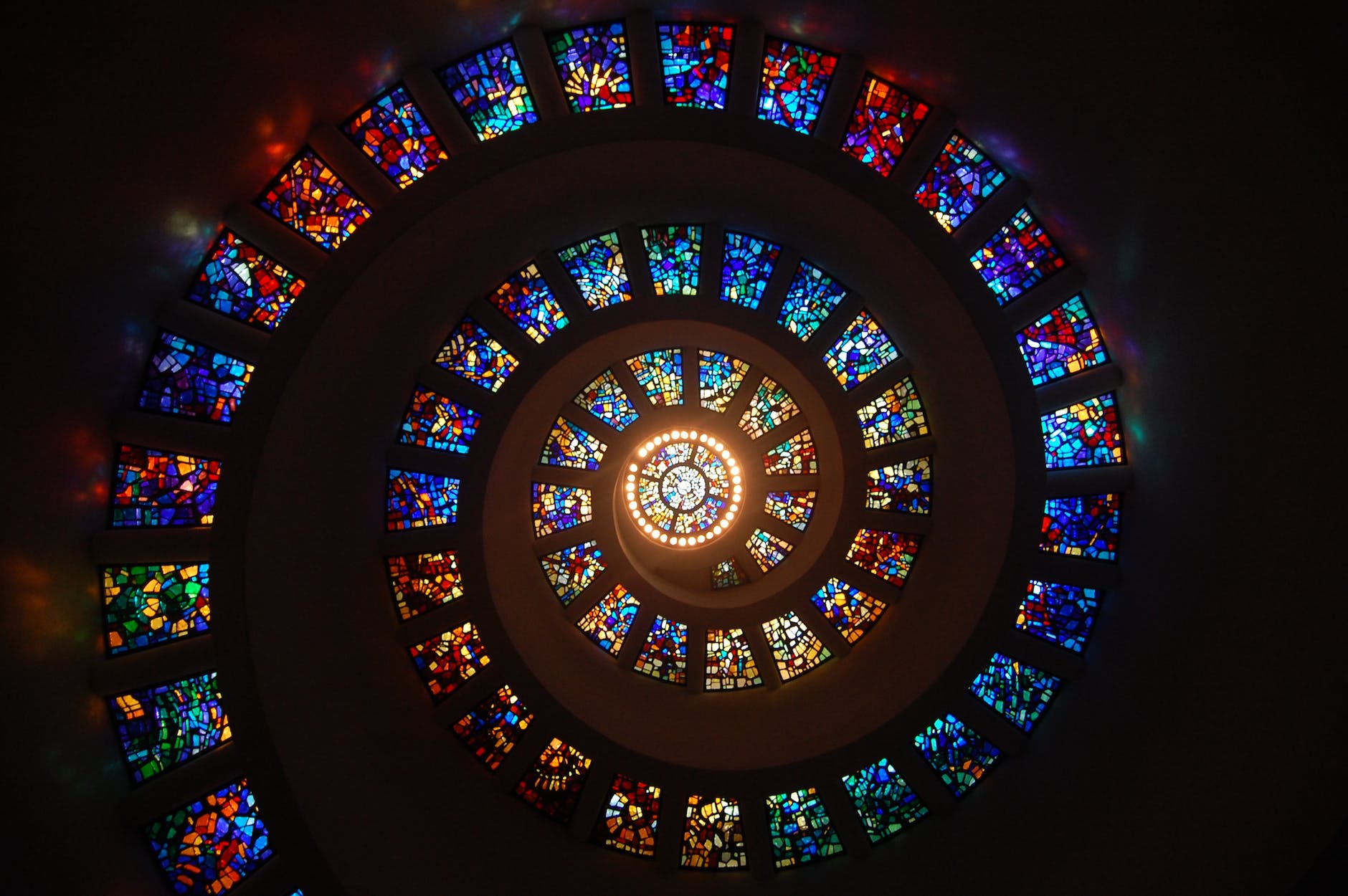
How can we deliver PSHE through a spiral curriculum? Personal, Social, and Health Education (PSHE) is an essential part of a student’s education. It’s designed to help young people develop the knowledge, skills, and values they need to lead healthy, happy, and fulfilled lives. PSHE covers a broad range of topics, including emotional wellbeing, relationships and sex education, drug and alcohol awareness, mental health, financial education, and many more. In this post, we will explore the benefits of a spiral curriculum in PSHE for a SEND setting as well as reference the PSHE Association, a leading organization in the field of PSHE education.
So what is a spiral curriculum? A spiral curriculum is a teaching approach that involves revisiting topics and concepts at regular intervals to deepen understanding and build upon prior knowledge. In PSHE, a spiral curriculum is particularly effective because many of the topics covered are complex and multi-layered, and students need to understand them in a meaningful way to apply them to their lives. By revisiting topics throughout their school career, students have the opportunity to develop a deeper understanding of the issues and reflect on their experiences as they progress through different stages of development. For example, a student might learn about healthy relationships in Year 6, and then revisit the topic in Year 9, building upon their prior knowledge and reflecting on their experiences with more maturity. I spoke a bit about creating a coherent and well sequenced curriculum in my last post.
The benefits of a spiral curriculum in PSHE are numerous. Firstly, it ensures that students receive regular and consistent education on key topics. In PSHE, some topics are only taught once, which may not be sufficient for students to fully understand and apply them. By revisiting topics, students can deepen their understanding and consolidate their learning, which can lead to more positive outcomes in the long term.
Secondly, a spiral curriculum in PSHE is inclusive and caters to the diverse needs, strengths and experiences of students. Every student has different needs. strengths, experiences, and backgrounds, and a spiral curriculum allows teachers to cater to those needs more effectively. For example, a student who has experienced trauma might find it difficult to understand healthy relationships initially, but revisiting the topic over time allows them to process their experiences and develop a deeper understanding in a safe and supportive environment.
The PSHE Association supports the delivery of effective PSHE education in schools. The association provides training, resources, and guidance to teachers, schools, and local authorities, to help them deliver high-quality PSHE education that meets the needs of students. The PSHE Association has developed a comprehensive framework for PSHE education, which outlines the key areas of learning and provides guidance on how to deliver effective teaching across all key stages. In particular for SEND, they have developed a comprehensive SEND framework to support PSHE education leads and Special Educational Needs Coordinators (SENCOs). Their framework sets out learning outcomes for students in SEND settings, based on the Programme of Study for PSHE education from the national curriculum. The framework is designed to help teachers plan and assess developmentally-appropriate PSHE education. The framework is also fully aligned with the Statutory Guidance for Relationships Education, Relationships and Sex Education and Health Education (RSHE).
Their framework also supports both mainstream and special education schools to provide a comprehensive PSHE programme that integrates, but is not limited to, the statutory content. For example, ‘The World I Live In’ section covers aspects of PSHE relating to careers, economic wellbeing, personal safety and how to prepare for adulthood. (PSHE Association, 2023)
What’s the catch? There isn’t one, you can download and use the framework in your school or setting for free. That’s why, whilst we are not endorsed by the PSHE association, we are developing curriculum resources that align with the learning intentions identified in the PSHE associations’ SEND framework. PSHE education is essential for the development of young people, and a spiral curriculum is an effective approach to ensure that students receive regular and consistent education on key topics. The PSHE Association is a valuable resource for schools and teachers, and their framework provides a robust guide to delivering effective PSHE education. By ensuring high-quality PSHE education, we can help young people lead healthy, happy, and fulfilled lives.
Want to be kept up to date with what inspires us? Subscribe below:
 Bright Circle Learning
You must be logged in to post a comment.